Plants vs. Zombies was created under director George Fan, who balanced the experience between gritty challenge and accessible strategy. Released on May 5, 2009, for PC and Mac, it quickly expanded across global platforms.
Plant vs Zombies turns a quiet lawn into a fast tactical battle. Zombies advance through straight lanes, while your plants build a living defense. Every placement matters because one weak row can threaten the whole setup.
The game’s central challenge comes from limited space and limited sun. You must collect resources, choose the right flora, and react before each wave reaches your defenses. PopCap Games released this tower defense classic in 2009.
Use the Left Mouse Button for playing. Click plant cards, choose lawn tiles, and gather falling sun with clear timing. You can play Plant vs Zombies online here and start shaping your first defense immediately.
Core Grid Defense in Plant vs Zombies
Lane Structure and Setup
Plant vs Zombies divides the lawn into five or six horizontal lanes. Each row creates a separate front, but every row still demands attention. Zombies move forward within these lanes, so your layout must answer several threats at once.
Start by reading the lawn before spending anything. Notice which rows look vulnerable and which spaces give plants room to work. Keep your early choices simple. A reliable line of attackers gives you time to build a stronger formation.
Use the Left Mouse Button to play. Click a plant card, then click an open lawn tile. That simple input keeps the action focused on timing and placement. Place plants where they support the lane, not merely where space appears first.
Think in layers rather than isolated plants. Put damage behind protection, then leave useful gaps for later choices. A crowded lane may look safe, yet poor spacing can limit your response. Watch every row while the wave develops.
The grid rewards calm decisions. Do not spend all your options in one lane without checking the others. A balanced setup handles pressure better because each row keeps a useful role. Recheck the formation whenever new zombies enter the field.
Collecting Sun Resources
The Sun Economy powers every defensive decision. Collect falling sun droplets from the sky, or harvest sun produced directly by Sunflowers. Every defensive plant costs sun currency, so steady income keeps your lawn active.
Gather sun quickly with the Left Mouse Button. Then compare each cost with the danger in front of you. Save enough for urgent responses, but do not let useful resources sit unused while a lane weakens.
Balancing Offensive and Defensive Plants
Ranged Attack Units
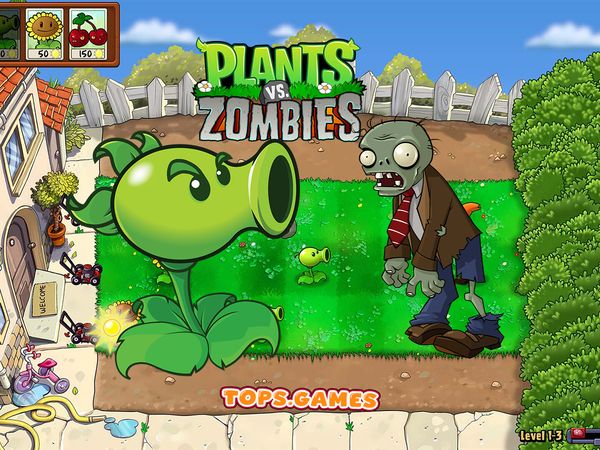
Ranged plants give your defense time to work. Peashooters form the clearest example. They attack from behind the front line and keep dealing damage while barriers hold attention.
Build attack coverage across several lanes instead of stacking every shooter together. One strong row cannot protect an ignored lane. Spread your damage so advancing threats meet resistance wherever they appear.
Sun spending creates the key choice. A Peashooter adds steady pressure, while another plant may answer a more immediate problem. Check the field first. Then spend sun on the plant that improves your weakest position.
Protect ranged attackers whenever possible. Their value comes from repeated shots over time, not from standing alone at the front. A protected shooter can keep working while you prepare the next placement.
Use different plant roles to shape each row. Let ranged attacks soften enemies, then support them with plants that slow or absorb pressure. This approach creates a stable rhythm instead of relying on one repeated choice.
Watch the timing of each wave. A lane that looks safe may soon need more damage. Keep some sun available for a quick response, especially when several rows begin filling together.
Frontline Barriers and Explosives
Wall-nuts give lanes a strong frontline barrier. They hold advancing zombies in place while ranged plants continue attacking from behind. Place them where a row needs extra time.
Cherry Bombs offer high-impact burst clearance. Use them when several threats crowd a dangerous area. Their value comes from solving a packed moment quickly, while Wall-nuts handle pressure through protection.
Countering Diverse Zombie Threats
Special Movement Abilities
The 26 zombie types force you to read movement, not just numbers. Some enemies create danger by changing how they approach a lane. A pole-vaulting zombie can jump over defenses, so a familiar barrier may not stop its first advance.
React to the movement pattern before choosing your next plant. Watch for zombies that bypass the position you normally trust. A defense that works against steady walkers may fail when an enemy crosses space quickly.
Keep your lanes flexible. Avoid placing every important plant where one unusual movement ability can bypass it. Build enough depth to recover after an enemy reaches the first line.
Special threats reward attention more than panic. Track the lane they enter, then protect the plants that keep your damage running. Spend sun with a clear purpose instead of filling open tiles at random.
Keep checking the full grid after each emergency, because another zombie may already approach elsewhere.
Vehicle and Armored Threats
Zombonis bring heavy machinery into the fight. These vehicles can crush defenses, so ordinary lane planning needs stronger awareness. Do not treat their arrival like another basic walker.
Watch the affected row and protect your overall formation. A vehicle threat can disrupt the space your plants need to function. Respond early when the lane begins to lose its shape.
Armored pressure also changes spending priorities. Keep enough sun for meaningful answers instead of exhausting your resources on minor targets. Strong threats demand preparation before they reach the front line.
Try Plant vs Zombies here when you are ready to test your lane control.
Surviving Stage Environments in Plant vs Zombies
Day and Night Shifts
Stage environments change how you read the lawn. Day levels give you a bright, open field for planning. Night stages create a different pace and make resource choices feel more deliberate.
Use Sunflowers as part of your long-term Sun Economy. Their produced sun supports continued planting, while falling sun adds another source to gather. Build your resource plan before the lanes become crowded.
Fog changes what you can see across the field. Check visible spaces often, then avoid making assumptions about hidden pressure. A safe-looking row may require a quicker response once its threat becomes clear.
Night layouts reward patience. Do not spend every resource immediately. Keep enough sun for the next useful plant, especially when the environment makes each decision feel less predictable.
Adjust your formation as the stage changes. The same arrangement may not suit every environment. Review open spaces, incoming lanes, and resource flow before committing to a full defense.
Pool and Rooftop Terrains
Swimming pools split attention between land and water lanes. Plan each area with care, because the field no longer feels like one simple block.
Rooftops create another distinct layout challenge. Their shape changes how you judge placement and spacing. Use the available surface carefully, then keep your defense balanced across every active lane.
Exploring Additional Game Modes
50-Level Adventure Campaign
The 50-level Adventure mode provides the main progression path through Plant vs Zombies. Each stage asks you to manage lanes, sun, and enemy pressure under changing conditions. The campaign introduces the game’s strategy through repeated tactical problems.
Approach each level as a fresh board. Review the environment, then choose plants that fit the threats ahead. Do not rely on one fixed formation, because stage conditions can change your best opening.
Adventure mode also gives your decisions a clear rhythm. Gather sun, establish damage, protect key spaces, and respond to new pressure. Small improvements in timing make later stages easier to read.
Use the Left Mouse Button for every playing action. Select plants, place them on suitable tiles, and collect falling sun without losing track of the lanes. Keep your focus on the next useful decision rather than rushing every click.
Puzzles, Mini-Games, and Survival
Survival challenges test how long your strategy holds. Mini-Games add focused twists, including Walnut Bowling. Puzzle modes such as Vase Breaker change how you approach each board.
Zen Garden offers a calmer space away from direct lane pressure. Together, these modes give Plant vs Zombies more ways to enjoy its plants, timing, and playful strategy.
Both feature lane-based defensive strategy where players spend a steadily generating resource to deploy units and defensive turrets that automatically advance and attack waves of approaching enemies.
Both utilize multi-lane combat where players deploy specialized units into distinct lanes to defend their side while intercepting advancing enemy waves.
✨ Key Features of Plant vs Zombies
Defensive lane gameplay across 5 or 6 horizontal grid rows
Arsenal of 49 distinct plant types including Peashooters, Wall-nuts, and Cherry Bombs
26 diverse zombie threats featuring special abilities like pole-vaulting and Zomboni vehicles
Is there a Plants vs Zombies Battle for Neighborville 2?
No. Plants vs Zombies Battle for Neighborville 2 has not been released — Plant vs Zombies is the newest game in the series.
What are the basic controls for Plant vs Zombies?
Mouse: Left Mouse Button - playing.
Can I play Plant vs Zombies on mobile devices?
Yes. Plant vs Zombies runs in your phone or tablet browser, with nothing to install.
Conclusion
Plant vs Zombies remains a standout tower defense experience because it combines approachable play with meaningful resource management. As a single-player game from PopCap Games, released in 2009, it centers on collecting falling sun droplets or harvesting sun produced by Sunflowers. That sun currency pays for defensive flora, so steady generation is essential when stronger zombie waves arrive.
The simple left mouse button control keeps attention on the decisions that matter: maintaining enough sun and sustaining effective defenses. Its clear economy, memorable plants, and escalating pressure make every moment engaging without overwhelming newcomers. Whether you are discovering it for the first time or returning for its distinctive charm, Plant vs Zombies offers a polished and satisfying strategy experience. Play Plant vs Zombies right here on this page.
Plant vs Zombies Game Video
YouTubeWatch Gameplay
Game Controls
Left Mouse Button
playing
No comments yet. Be the first to share your thoughts!

No comments yet. Be the first to share your thoughts!